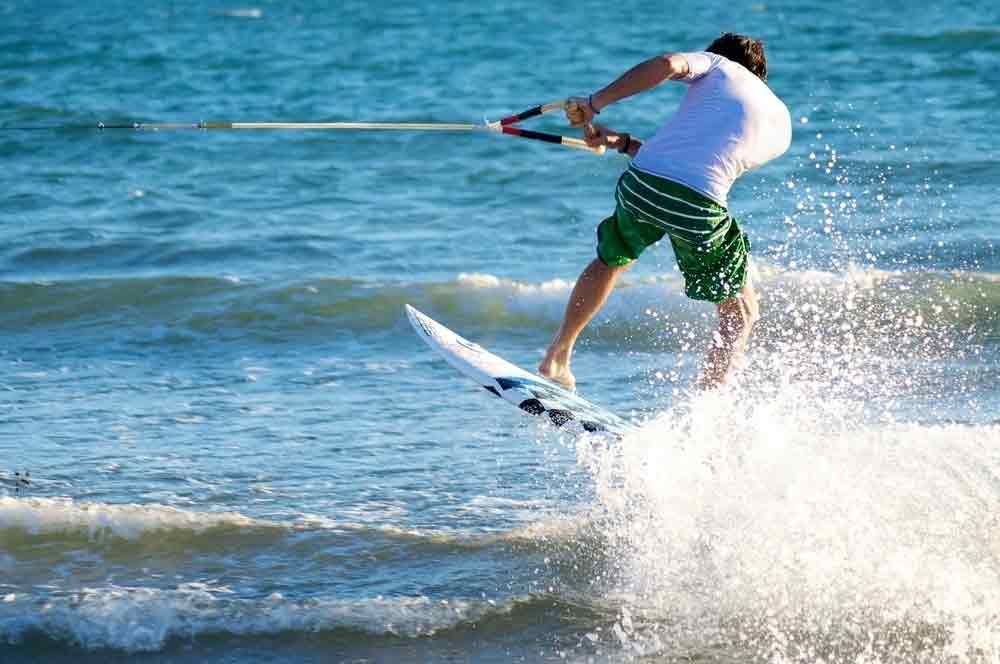
The dynamic and rigorous sport of surfing necessitates a special combination of strength, flexibility, and endurance. Although surfing is mostly about paddling and riding waves, injuries, muscular imbalances, and performance plateaus can result from not doing enough targeted strength training. In order to perform well in the water, you need to develop a functional strength base that can withstand the unique demands of surfing. We’ll go over the essential elements of surf-specific strength training in this extensive book, which will assist you in building a well-rounded, injury-resistant physique that can help you push your surfing abilities to new limits.
Importance of Functional Strength
A full-body exercise, surfing works several muscle groups in complex ways. By imitating these movement patterns, functional strength training gets your body ready for the dynamic nature of surfing. Your ability to paddle, jump up, and maneuver on the wave will improve as a result of targeted muscle development. This will increase your strength and stability and lower your risk of injury while performing these activities.
Core Strength: The Foundation
The basis of strength particular to surfing is a strong core. Your lower back, obliques, and abdominals are some of the key muscles in your core that stabilize your body while you paddle, pop up, and stay balanced on the board. Planks, Russian twists, and hollow body holds are a few of the workouts you can include in your regimen to strengthen your core and improve your surfing as a whole.
Shoulder and Back Strength
The constant motion of paddling puts a lot of strain on your back and shoulder muscles. Developing strength in these areas will help you avoid common surfing problems like lower back soreness and shoulder impingement, as well as increase your endurance in the water. For the purpose of building a strong and injury-resistant upper body, concentrate on exercises such as pull-ups, rowing variants, and lateral rises.
Leg and Hip Strength
To generate force and keep your balance when riding waves, you need strong legs and hips. Your quadriceps, hamstrings, and glutes will be worked during exercises like squats, lunges, and step-ups. This will help you make rapid spins, snap movements, and keep your center of gravity low when skating.
Balance and Proprioception
Proprioception, or the awareness of your body’s position and movement, is extremely important when surfing. Exercises that test your balance, such as single-leg squats, BOSU ball training, and agility drills, can improve your body awareness and help you maintain your balance on the board in difficult situations.
Flexibility and Mobility
Sustaining sufficient range of motion and flexibility is essential to avoiding injuries and enhancing your surfing abilities overall. Your range of motion will expand with the aid of mobility and stretching activities like foam rolling, yoga, and dynamic warm-ups. This will enable you to move more fluidly and effectively in the water.
Recovery and Injury Prevention
Prioritizing recuperation and injury prevention is just as crucial as strength training. You may recover from overuse injuries more quickly and prevent them by doing low-impact activities like swimming or cycling on your rest days, following appropriate warm-up and cool-down techniques, and doing foam rolling and self-massage on a regular basis.
Conclusion
Gaining strength tailored to surfing is a journey that calls for commitment, perseverance, and a comprehensive strategy. You may lower your chance of injury, increase your overall surfing experience, and perform better in the water by adding functional strength training into your regimen. Always keep in mind that strength training should be customized to your unique needs and ability level. To create a program that meets your surfing goals, think about getting advice from a certified coach or trainer. Accept the challenge, remain dedicated, and watch as your unique power as a surfer catapults you to new heights on the waves.




Comments