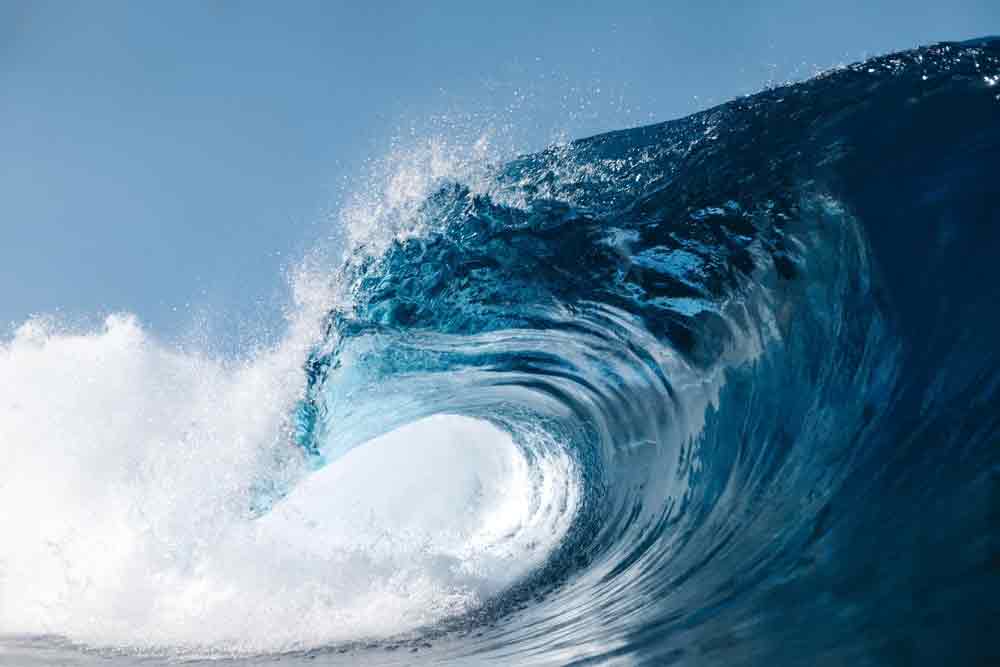
The ocean is a huge expanse of constantly shifting landscapes, with a hieroglyphic record of the forces that form each wave inscribed into the surface. Understanding these hieroglyphs is crucial for surfers as it might reveal the locations and times when the best waves will break. The skill of deciphering surf breaks involves meteorological and oceanographic expertise as well as a good sense of the intricacies of the water. We’ll dive into the complex realm of surf break analysis in this piece, examining the elements that affect wave creation and arming you with the knowledge and skills to decipher the ocean’s hieroglyphs like a pro.
The Influence of Bathymetry
Surf breaks are significantly shaped by bathymetry, or the patterns of the ocean floor. Waves interact with the bottom as they go closer to shallower waters, which causes them to bend, steepen, and finally break. Predicting where and how waves will crest requires an understanding of the undersea topography of a surf area. Submarine canyons, sandbars, and reefs can produce world-class waves, but gradual slopes can also result in kinder, more forgiving conditions.
Wind and Swell Patterns
Waves are sculpted by the wind, an unseen force that creates surges that may travel great distances. Understanding the magnitude, direction, and duration of oncoming swells may be gained by monitoring wind patterns on a local and global scale. While onshore winds can produce choppy, chaotic conditions, offshore breezes have the ability to shape waves into immaculate barrels. Deciphering surf breaks requires tracking swell forecasts and knowing how they interact with the local geography.
Tidal Influence
The consistency and quality of a surf break can be significantly changed by the tides’ ebbing and flowing. At low tide, waves can crash over sandbars or shallow reefs, providing steep faces and barreling portions. The same break might turn into a mushy, shapeless event as the tide rises. On the other hand, when the tide is high, some breaks become more active because the deeper water enables the waves to peel more precisely. Knowing the effects of tidal cycles at a particular surf place is an invaluable skill for any surfer.
Reading Rip Currents
For surfers, rip currents—those strong streams of water that travel away from the coast—can be both an ally and an enemy. Rough waves can be dangerous, but they can also be conveyor belts, carrying surfers to the top of waves and making lineups easily accessible. You may safely traverse and take advantage of rip currents by being aware of their telltale indicators, which include darker water, choppy surfaces, and gaps in the breaking wave patterns.
Wave Periods and Wave Heights
Two important elements that influence a surf break’s quality are the duration and height of the waves. Wave strength and form are influenced by wave period, or the interval between successive wave crests. While shorter durations might result in choppy, unsurfable conditions, longer periods often generate more structured, powerful waves. On the other side, barrel or steep face potential is determined by wave height. Accurately estimating wave heights and times can help you determine which circumstances are best for your surfing style and skill level.
Navigating Currents and Eddies
The whirling masses of water known as currents and eddies have a big influence on how a surf break behaves. Wave forms can be bent and distorted by currents, which can result in sections that aren’t predicted or early wave closure. Conversely, Eddies may produce waves that test even the most skilled surfers, like a spinning go-round. Recognizing the eddies and current patterns at a certain surf place will help you set up your board correctly and predict how the wave will behave.
The Role of Bottom Contours
Wave form and quality can be significantly influenced by the features of the seabed. Sandbars, channels, and reef edges are examples of subtle depth changes that may turn an average wave into an exciting ride. The sweet locations where waves will crest and barrel, along with possible hazards like shallow reef portions or abrupt drop-offs, may be identified by paying attention to the shapes of the bottom. Gaining proficiency in interpreting bottom contours can open up entirely new possibilities for wave placement and choosing.
Conclusion
It takes a complex dance between wind, swell, bathymetry, and currents to interpret surf breaks. You may decipher the meaning of the ocean’s hieroglyphs by gaining a thorough grasp of these elements and improving your observational abilities. Accept the challenge of interpreting the sea’s constantly shifting topography, and you will be rewarded with the ultimate reward: the ideal wave, just waiting to be interpreted and surfed. Never stop studying, always keep an eye out, and always push the limits of your surf knowledge—the ocean is a living, breathing creature, and its hieroglyphs are always changing.




Comments